A resource bottleneck finally moved from theory onto hardware
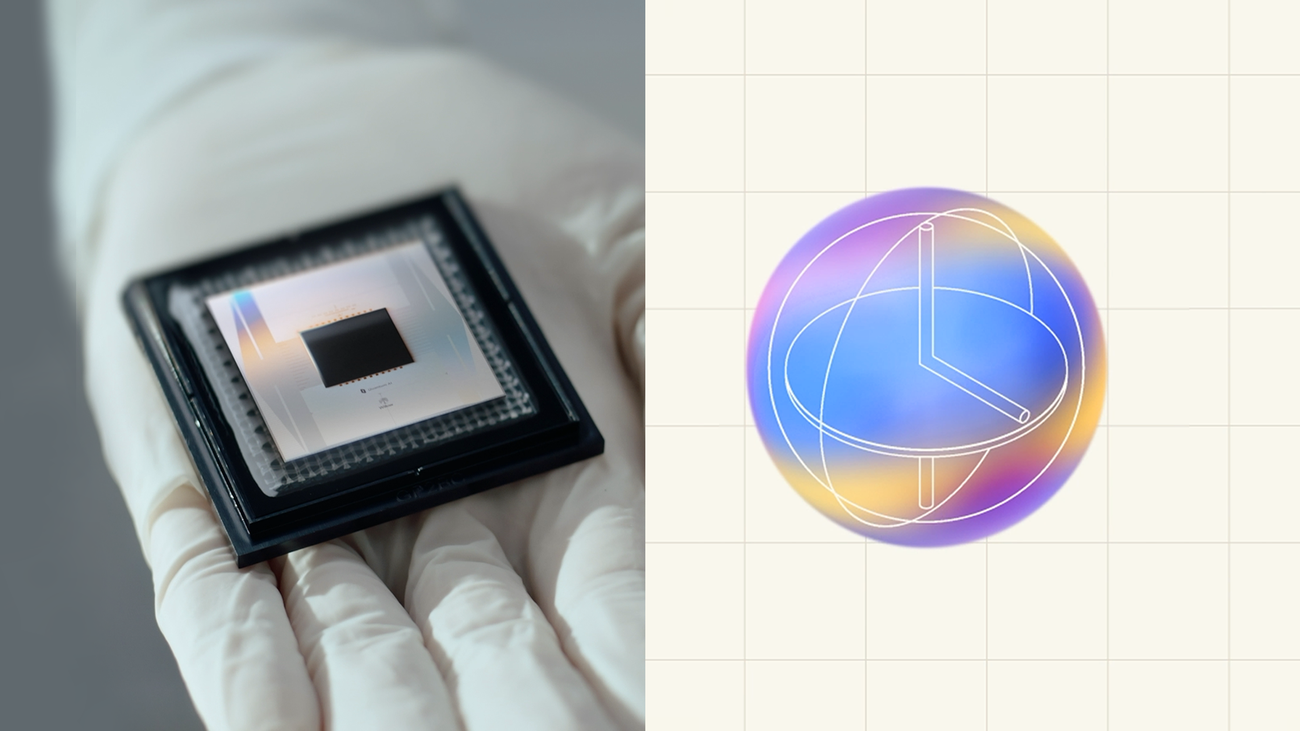
Google Quantum AI reports that it demonstrated magic-state cultivation on its Willow processor, reducing errors by about 40 times compared with the uncultivated states in its experiment. The team also reports a logical fidelity of 99.99% for the resulting T-states. The work is published in Science and represents a real-hardware demonstration of a technique proposed to make one expensive ingredient of universal quantum computing more efficient.
Magic states are a resource used to perform operations that ordinary error-corrected quantum gates do not supply directly. Producing them at high quality can consume a large share of a future quantum computer’s capacity. Cultivation uses coordinated measurements to detect and filter noisy attempts, growing a more reliable encoded state from a smaller region of the chip.
The result still has a scale-up problem
The team also demonstrated a transfer between a distance-3 color code and a distance-5 surface code, showing that the cultivated state can survive a change between two error-correction schemes on the hardware. That is a valuable engineering proof: a technique that works only in a narrow isolated setup would not be enough for a larger machine.
Google is explicit that cultivation still needs to be demonstrated at greater scale, and that substantial technical challenges remain before practical fault-tolerant quantum computing. The 40-fold result is a specialized experimental comparison, not a 40-fold improvement in general computer performance. Its importance is that a theorized method for reducing a resource bottleneck now has an experimental path to follow.
Source published 2026-10-15. Coverage is based on the maker’s announcement and demonstration.