What changed
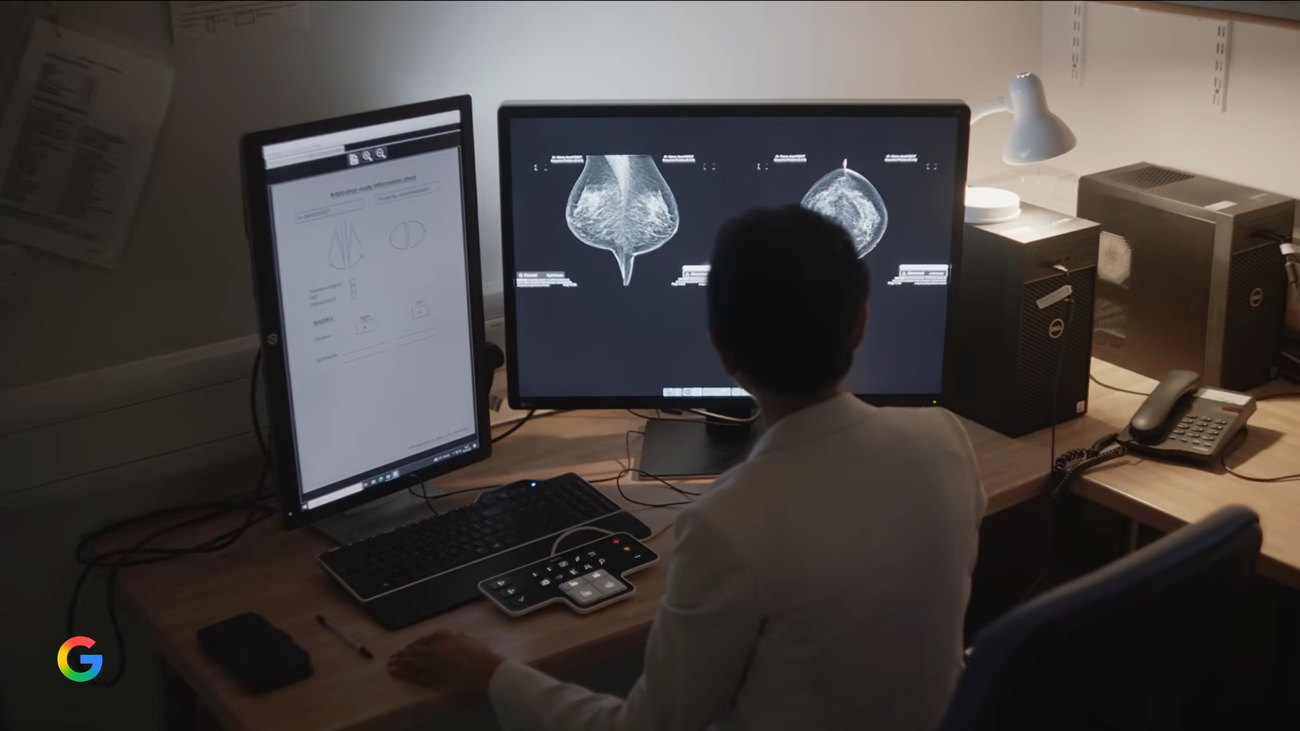
A study involving 115,973 women in a UK breast-screening program found that an AI system retrospectively identified 25% of interval cancers—cancers diagnosed after a screening mammogram had been read as negative and before the next routine screen. Google’s October 12 research roundup highlighted the result as part of its health-AI work.
The study also reported that replacing the second human reader with AI reduced total reader time by 32.1% and increased cancer detection by 17.7% in the evaluated workflow. These are study results under a defined program and evaluation, not a general promise that every hospital will see the same gains.
What the result actually shows
The important complication is the technical-feasibility work across 12 sites: researchers observed distribution shift and needed threshold recalibration. In other words, performance depended on how local data and operating conditions differed from the development setting. That is exactly the deployment detail that can disappear when a headline focuses only on the detection percentage.
This is promising evidence for AI as an additional reader and prioritization aid, but it remains a retrospective analysis plus multi-site feasibility work. The result does not establish a replacement for clinical review or prove downstream patient outcomes.
Source published 2026-03-10. Coverage is based on the maker’s announcement and demonstration.