Three different jobs
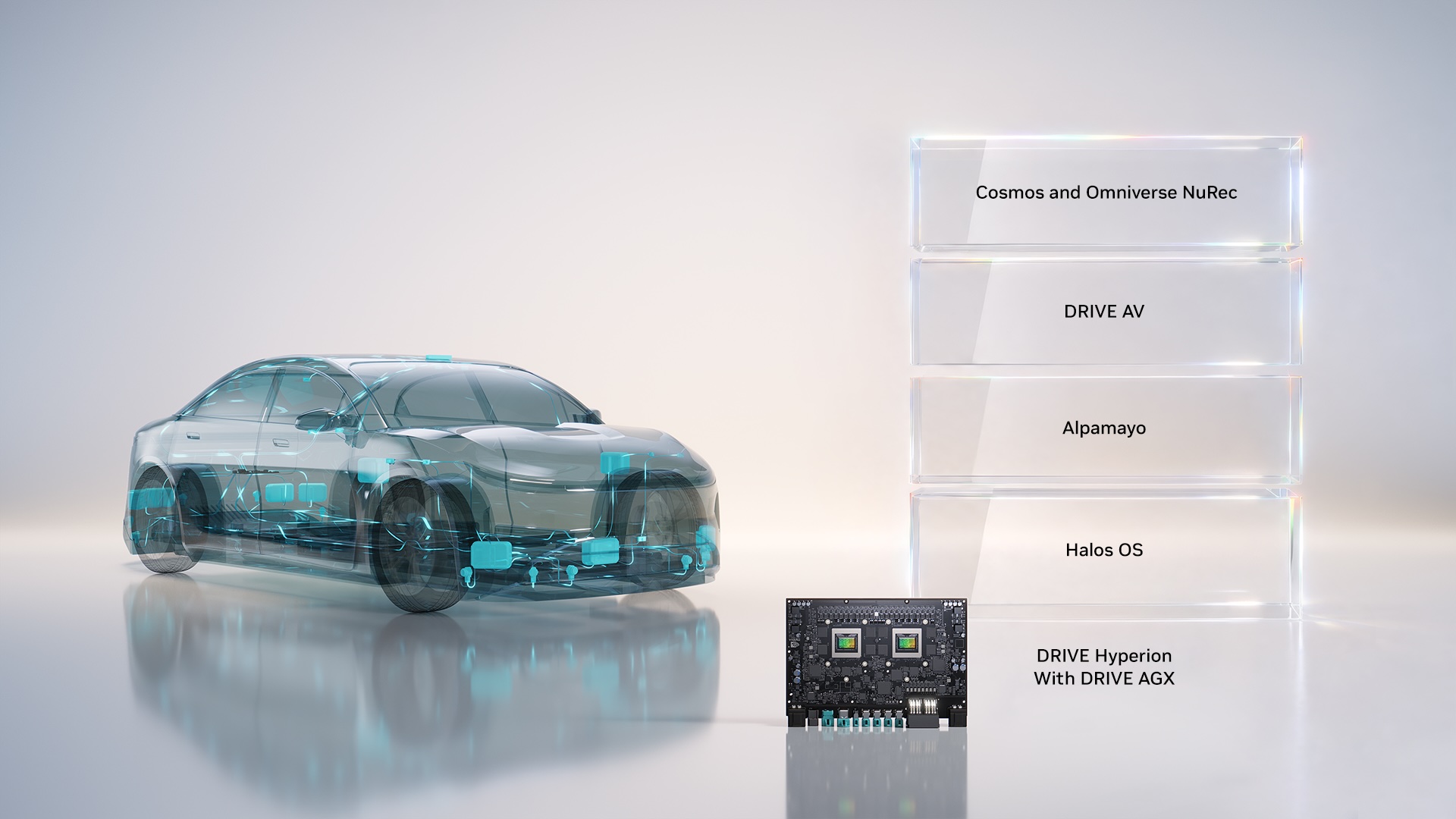
The computer inside a driverless car is only one part of the system that builds its driving behavior. NVIDIA describes a three-computer workflow: train models, test behavior in simulation, then run the driving system in the vehicle.
That distinction helps explain why two companies can use technology from the same supplier without using an identical driving stack. A program might adopt training infrastructure, simulation tools, in-car hardware, or a combination.
Why simulated streets matter
NVIDIA describes tools that reconstruct driving scenes from sensor data and generate variations involving weather, lighting, traffic, and other conditions. The aim is to explore more situations than a fleet could conveniently collect through ordinary driving alone.
A useful question about a demonstration is therefore where it happened. Was it a real public-road trip, a closed course, a reconstructed scene, or a synthetic variation? Each can be informative, but they answer different questions about a system’s behavior.
The picture does not prove the ride
The accompanying NVIDIA illustration shows its vehicle-computing and software layers. It is a product diagram, not footage of a driverless journey or evidence that a service operates in a particular city.
For riders, local service availability and the operator’s actual operating area matter more than a supplier partnership. For people following the technology, separating training, testing, and on-road execution makes announcements easier to interpret without assuming that every planned deployment is already carrying passengers.
Source published 2026-09-10. Coverage is based on the maker’s announcement and demonstration.