What changed
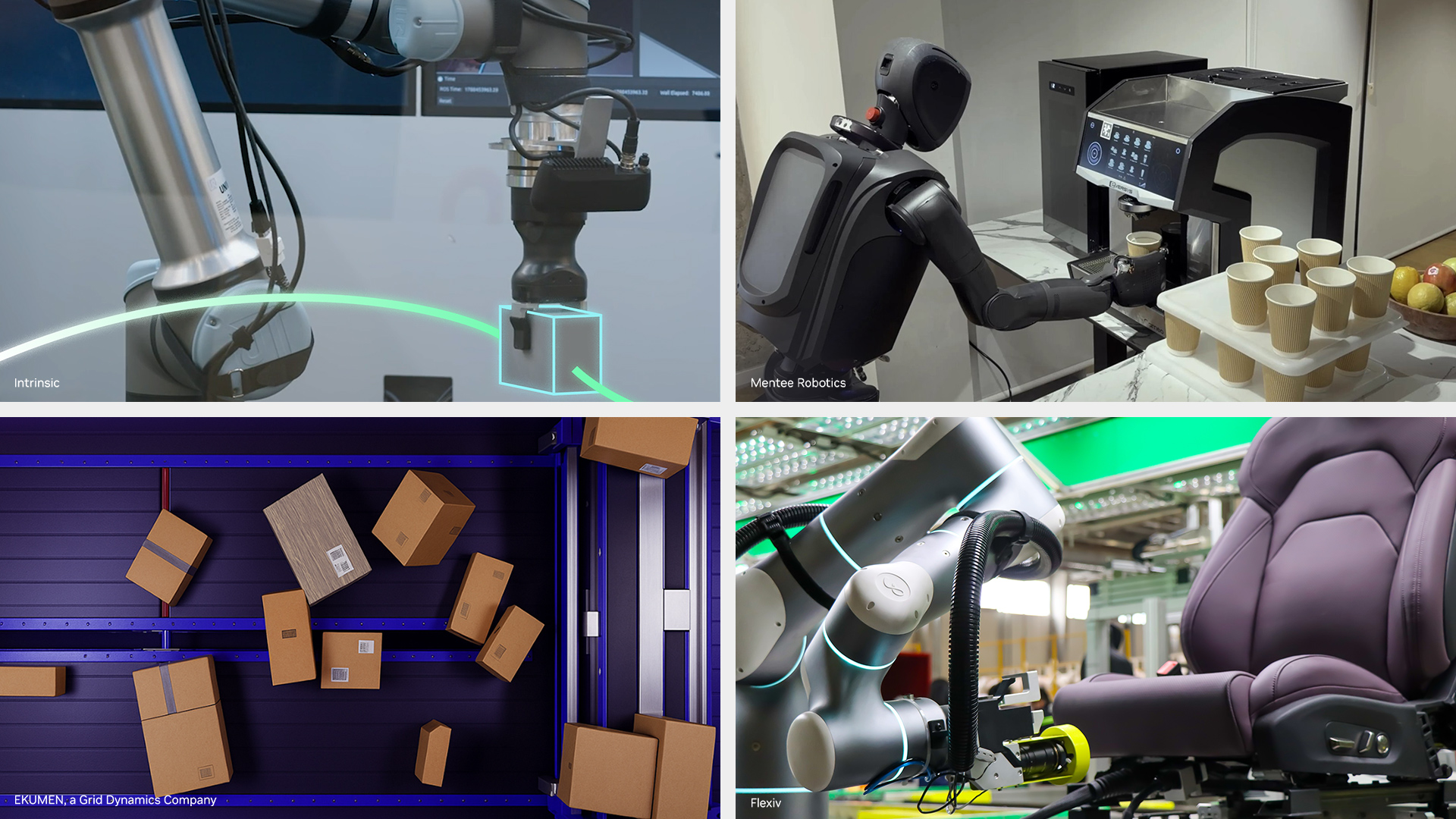
NVIDIA released Isaac ROS 5.0 with a focus on agentic robotics and open-source development. Isaac ROS supplies accelerated building blocks that ROS developers can use for perception and robot behavior.
The update links language-driven agents with the sensor and action pipelines used by real machines. That gives developers a path from a high-level request to the lower-level systems that observe and move.
What it can do
NVIDIA also expanded deployment across its Jetson platform. Keeping the runtime close to the robot can reduce dependence on a permanent cloud connection and make responses more predictable.
Open-source libraries matter because robotics teams rarely build every perception component from scratch. Shared packages can shorten the path from a research demo to a reproducible prototype.
Why it matters
Agentic control does not remove the need for safety layers. Robots still require limits, monitoring and task-specific testing before acting around people or valuable equipment.
The practical opportunity is a more unified stack: developers can combine ROS, accelerated perception and AI planning without stitching together as many disconnected systems.
Source published 2026-09-24. Coverage is based on the maker’s announcement and demonstration.