Preview now, weights later
Mistral announced a public preview of Large 4 on October 6. Its model card describes a natively multimodal system with one trillion total parameters and 49 billion active parameters. Developers can try it through Mistral Studio; the company says it plans to publish the model weights by the end of this month.
That distinction is important: public API access is available now, while local download and independent hosting depend on the later weight release. For teams, the near-term question is how the model behaves on their actual coding, research and knowledge-work tasks, not just how it compares on a company-selected benchmark.
What the announcement demonstrates
Mistral’s page includes demos for coding, agentic behavior, financial research, visual grounding, cybersecurity and spreadsheet/document work. One finance example traces a model’s research path through public filings and reports, showing documents retrieved, calculations made and questions still unresolved. That makes the evidence-gathering process more visible than a final answer alone.
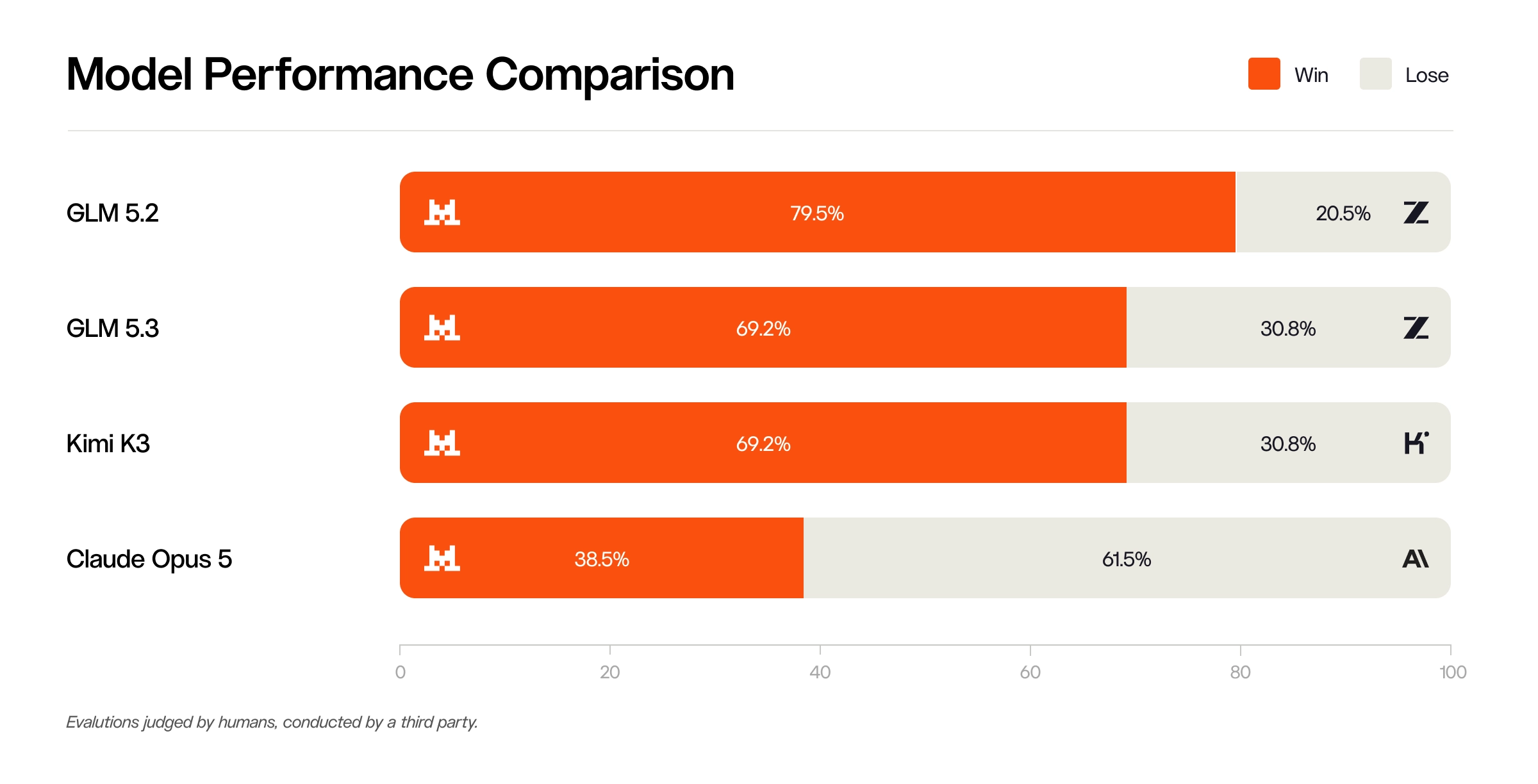
The company also cites third-party legal and finance evaluations, saying Large 4 beats GPT-6 Astra on the selected tasks. These are Mistral-reported results; task selection, settings and evaluator methodology matter. Treat the comparison as a reason to test the preview, not as proof of a universal ranking.
Why developers will watch the weight release
Open weights could give organizations more control over where and how they run the model, if licensing and hardware requirements meet their needs. Until then, users are evaluating a hosted preview. Mistral says the system was trained on 3,800 NVIDIA Grace Blackwell GPUs in its European data centers, another part of the company’s sovereignty positioning.
The concrete milestone is therefore staged: a large multimodal model is available through an API today, with weights promised later. The next useful evidence will be the public artifacts, reproducible evaluations and real workloads that follow—not the parameter count on its own.
Source published October 6, 2026. Coverage is based on the maker’s announcement and demonstration.