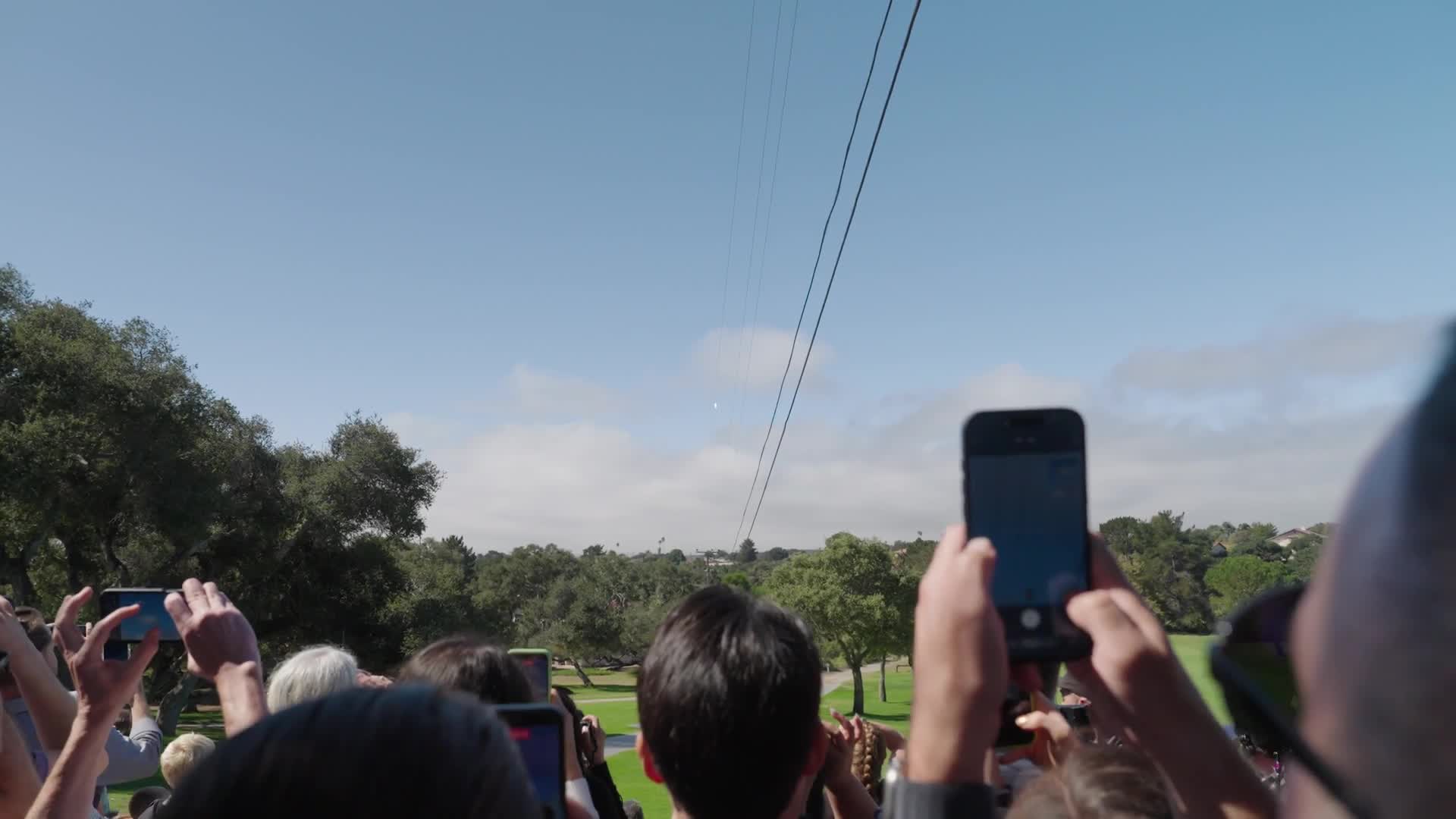
The prototype has moved from plan to orbit
Google says its Project Suncatcher prototype satellite, built with Planet, launched on the Transporter-18 rideshare mission on October 1. The team confirmed contact and reported that the satellite was operating as expected. The company now plans to gather in-orbit data on how its TPU hardware handles radiation, thermal extremes and the physical stress of spaceflight.
That is a concrete milestone, but it is an early research test. Google has not announced an orbital data center or shown that machine-learning workloads are running continuously in space. The present experiment is about measuring hardware behavior under real space conditions.
Why test AI hardware in space at all?
The longer-term idea is that satellites could use steady solar energy and communicate as a distributed computing network. But power is only one constraint. A viable system would also need reliable hardware, cooling, launch capacity, communications and economics that beat terrestrial data centers.
Google’s own announcement frames Suncatcher as a long-term research moonshot. The near-term result is more modest and useful: an opportunity to collect real environmental data instead of relying only on laboratory simulations.
What to watch next
The most informative updates will be measurements: how the accelerator behaves after exposure, whether the team can keep the system stable and what needs redesign. Google says a peer-reviewed paper accompanies the mission, so the experiment has a technical basis beyond the launch announcement.
A satellite in orbit does not prove that space-based AI compute is practical. It does turn one of the hardest assumptions into something researchers can test directly.
Source published October 1, 2026. Coverage is based on the maker’s announcement and demonstration.