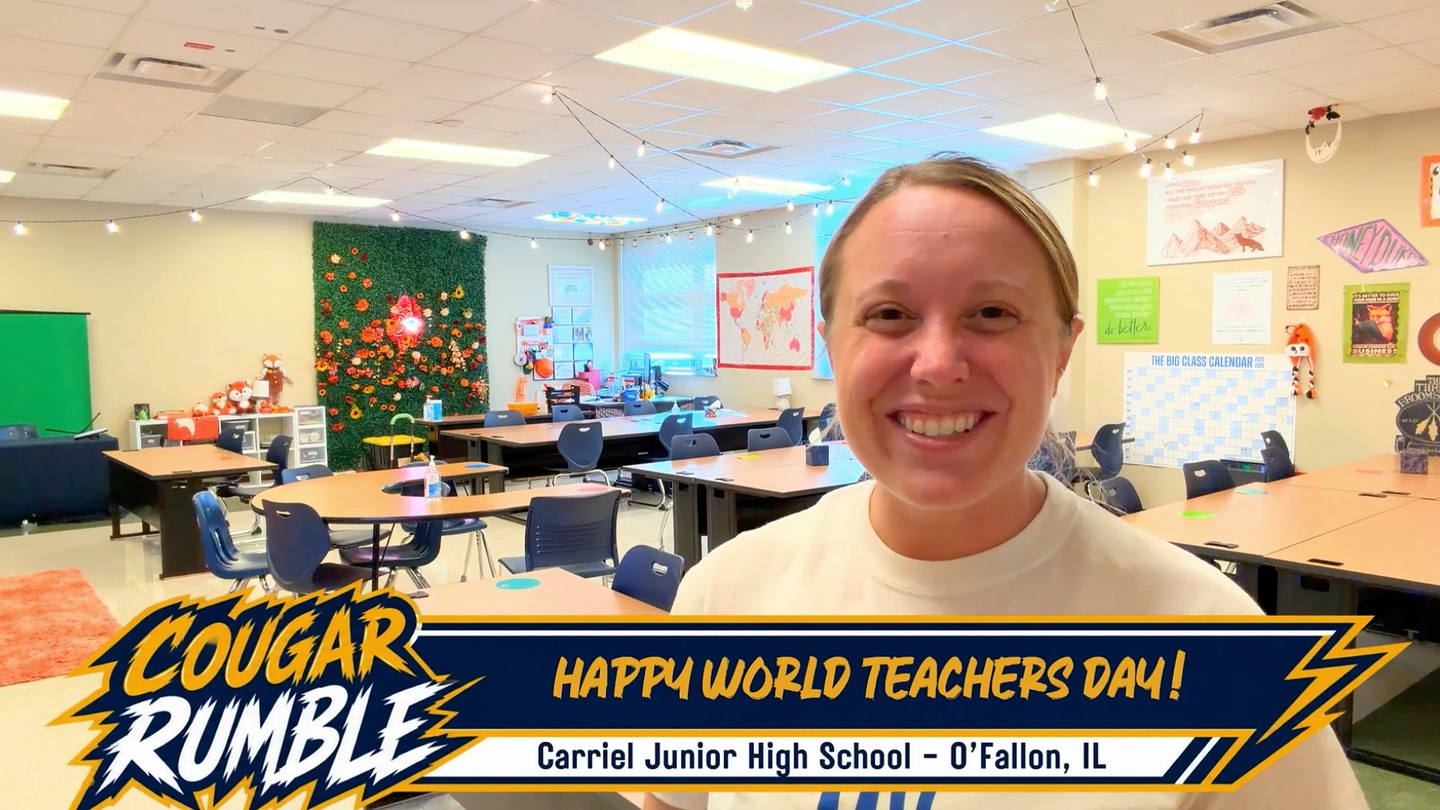
A class project became a real weekly show
Students at Carriel Junior High created The Cougar Rumble, a weekly newscast for their school. Google’s report describes students using Gemini to brainstorm the name, build a brand kit, write scripts and plan shots, then using Docs and Slides as part of the production workflow.
That is a concrete use of AI in a classroom: not a chatbot worksheet, but help moving from an idea to a recurring production. Students still had to decide what the show should be, choose what to include and make the final work fit their school.
Where the assistant helped
The project began with creative choices such as names and logo concepts. The students then developed a consistent visual identity and used Gemini to turn topics into scripts and shot lists. Keeping materials in familiar Docs and Slides gave the class a place to organize and revise the work.
The example is strongest as a workflow story. A model can help generate options and first drafts, but a school broadcast also depends on editorial judgment, fact checking, roles and production time. Google’s account is a case study, not a controlled comparison of learning outcomes.
Why this kind of demo matters
Many AI demonstrations focus on a single answer. The Cougar Rumble shows a longer chain: planning, writing, design and recurring production. That makes it easier to ask what AI actually contributed and what the students still owned.
For teachers, a practical question is whether the tool helps students get from a blank page to a reviewable draft while leaving the important decisions with them. In this example, the finished newscast—not the prompt—is the outcome worth noticing.
Source published October 5, 2026. Coverage is based on the maker’s announcement and demonstration.