The search was the discovery
Anthropic says roughly 950 Claude agents spent 21 hours examining about 200,000 reverse transcriptases, enzymes that copy RNA into DNA. The agents selected 3,500 candidate systems, then narrowed those to 20 for closer analysis and human-readable reports.
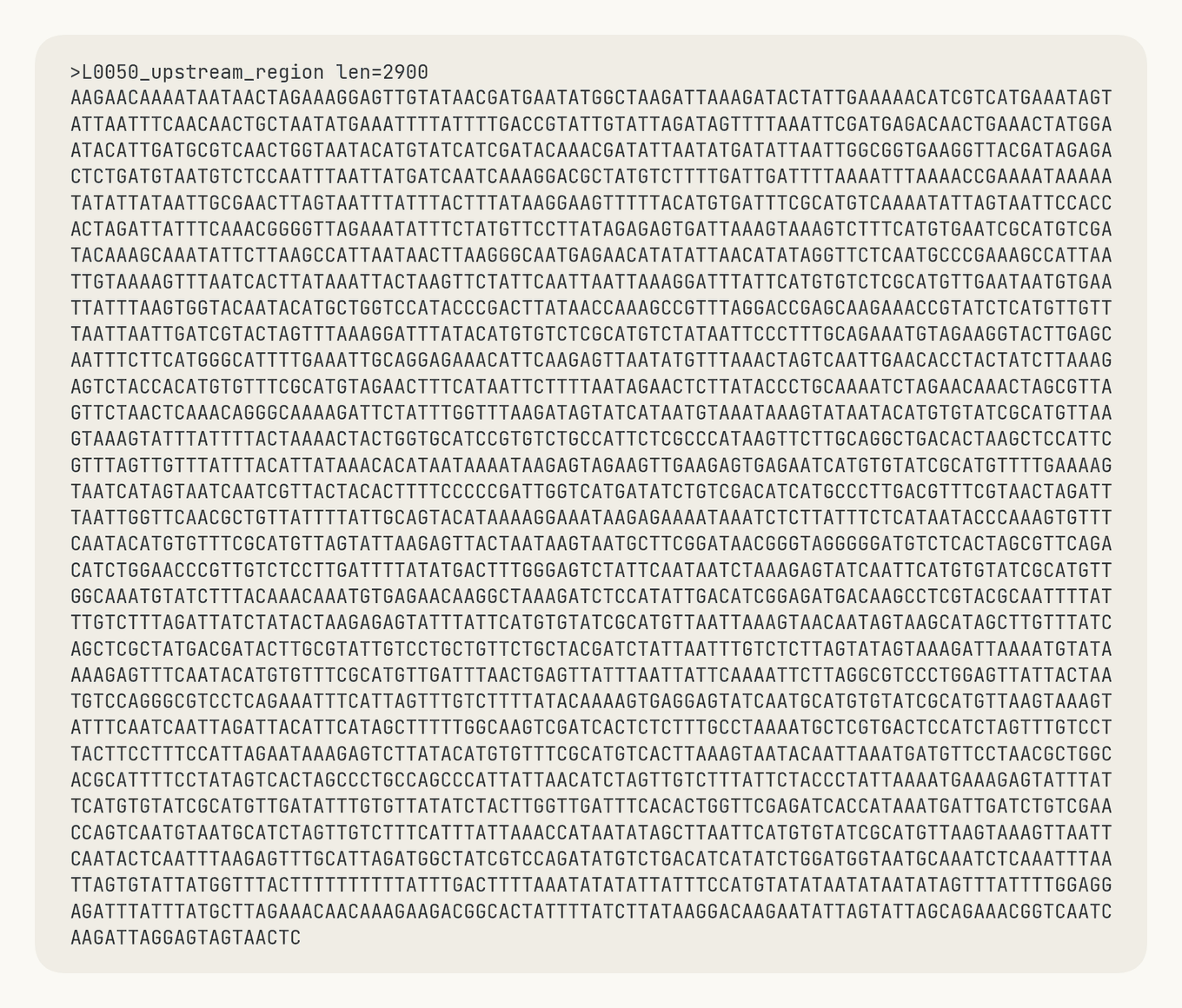
One agent noticed repeated DNA sequences beside an unusual reverse transcriptase. The pattern had not been characterized as a system before, even though the underlying enzyme had appeared in earlier research.
What researchers found
Anthropic calls the system array-associated reverse transcriptases, or ARTs. It includes a reverse transcriptase, a nearby partner gene and an array of evenly spaced DNA repeats. The repeats are reminiscent of CRISPR arrays, but resemblance does not establish the same function.
Initial lab experiments found the array is expressed as distinct short RNAs. Researchers are still testing what ART does; Anthropic says its primary function remains unknown.
Where the model stopped
The AI narrowed a huge search space and proposed a candidate. Scientists reviewed the evidence, expressed proteins in standard lab strains and tested the system biochemically and structurally. Anthropic says all lab work was performed by human scientists.
That division of labor is the concrete result: agents generated and ranked leads at a scale the company says would take an expert weeks or months to analyze, while laboratory experiments remain necessary to establish what a candidate actually does.
Why this is worth watching
The sequence image above is the kind of signal the agent flagged: a repeated pattern near a gene that researchers had not recognized as a system. Finding the pattern is not the same as proving a useful gene-editing tool exists.
If follow-up work establishes a function, ART could become a new line of biological research. For now, the credible milestone is narrower and still striking: AI agents surfaced an experimentally supported candidate that human researchers had not previously described.
Source published 2026-09-23. Coverage is based on the maker’s announcement and demonstration.