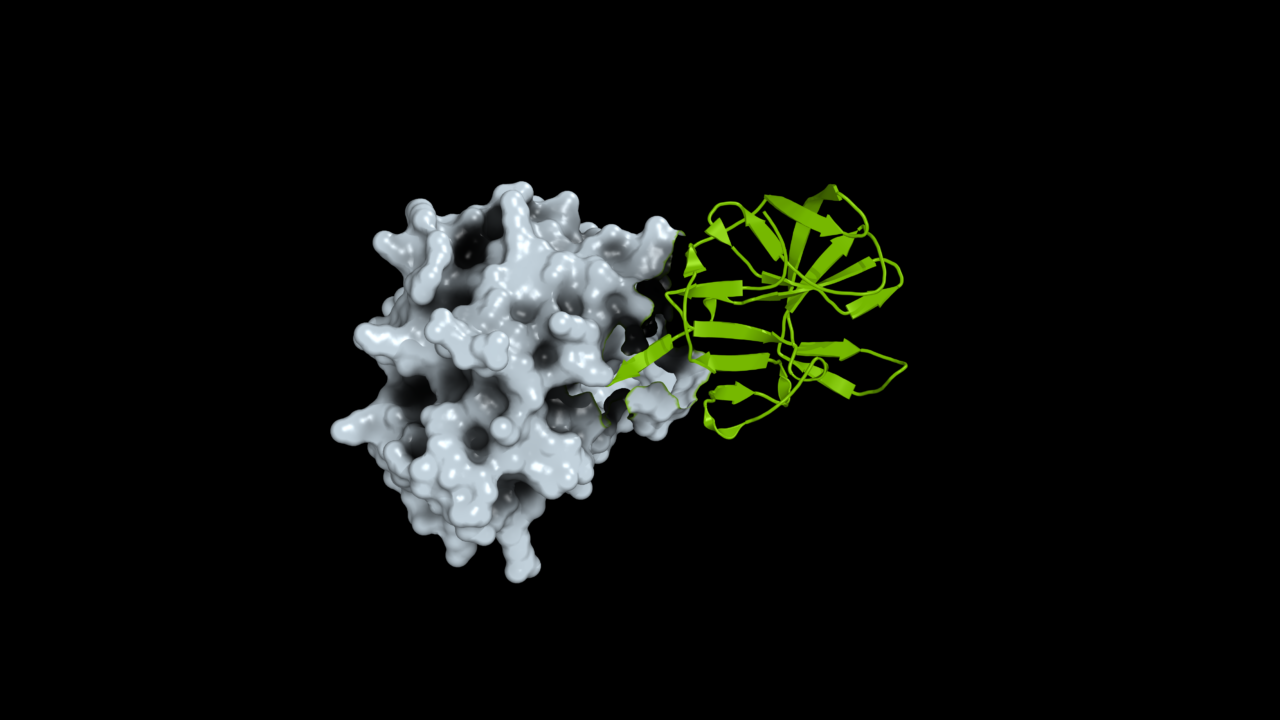
A much larger map of viral protein interactions
A collaboration involving DeepMind, EMBL-EBI and partners has added predicted protein-complex structures for more than 2,800 viruses to the AlphaFold Database. Protein complexes show how two or more proteins may fit together, a useful clue when researchers are trying to understand how a virus interacts with its host.
The scale matters because experimental structures cover only a subset of possible interactions. The added predictions give researchers a searchable set of candidates to prioritize for laboratory work, rather than requiring every possible pair to be measured before it can be explored.
New predictions are leads, not findings
NVIDIA reports that about 30% of the predicted interactions in the release are new compared with structures represented in the Protein Data Bank. That is a comparison against a structural database, not a claim that those interactions have already been confirmed in cells.
The predicted structures carry confidence information. Researchers can use that to prioritize candidates, but confidence scores do not replace experiments. The data should be read as a map of possible interactions that can focus follow-up research, not as a definitive catalogue of viral biology.
Why the dataset is useful
Large prediction sets can help teams search for interaction patterns across families of viruses and identify where experimental evidence is missing. A researcher can move from a broad question—what proteins might bind?—to a smaller list of candidates to test.
The collaboration also connects the predictions to an established public resource. Adding structures to the AlphaFold Database makes them easier for researchers to browse alongside other predicted proteins and related information, reducing the friction of finding useful starting points.
The next step is in the lab
A computational prediction can suggest a shape and a possible interaction, but a lab still needs to test whether the proteins bind and what that means in a biological system. False positives and uncertainty remain part of any large-scale prediction effort.
The release is valuable because it expands the search space and supplies confidence estimates, giving experimental groups more candidates to evaluate. Its impact will depend on which predictions are confirmed and whether those findings help explain viral mechanisms or guide future therapeutic research.
Source published 2026-09-24. Coverage is based on the maker’s announcement and demonstration.